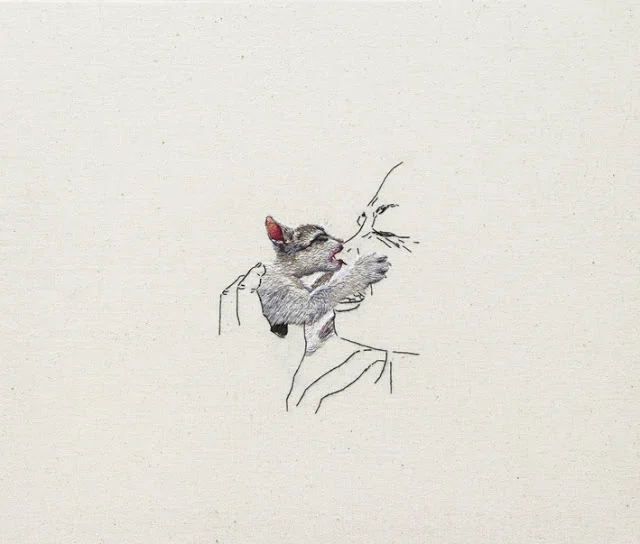
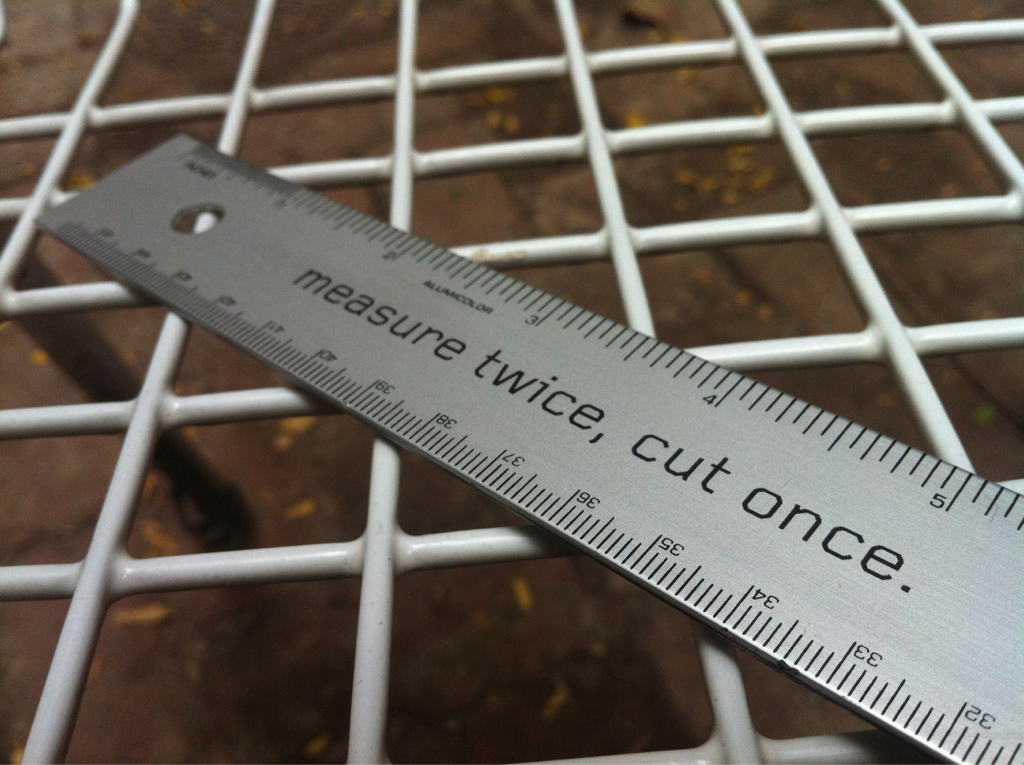
Measure twice, Cut once. Laser transferred on to aluminum using TherMark and our 80watt laser.

especially novels
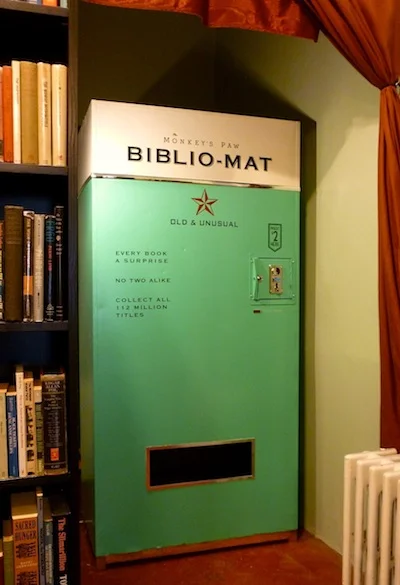
In Toronto, a vending machine that sells random books for $2 apiece.
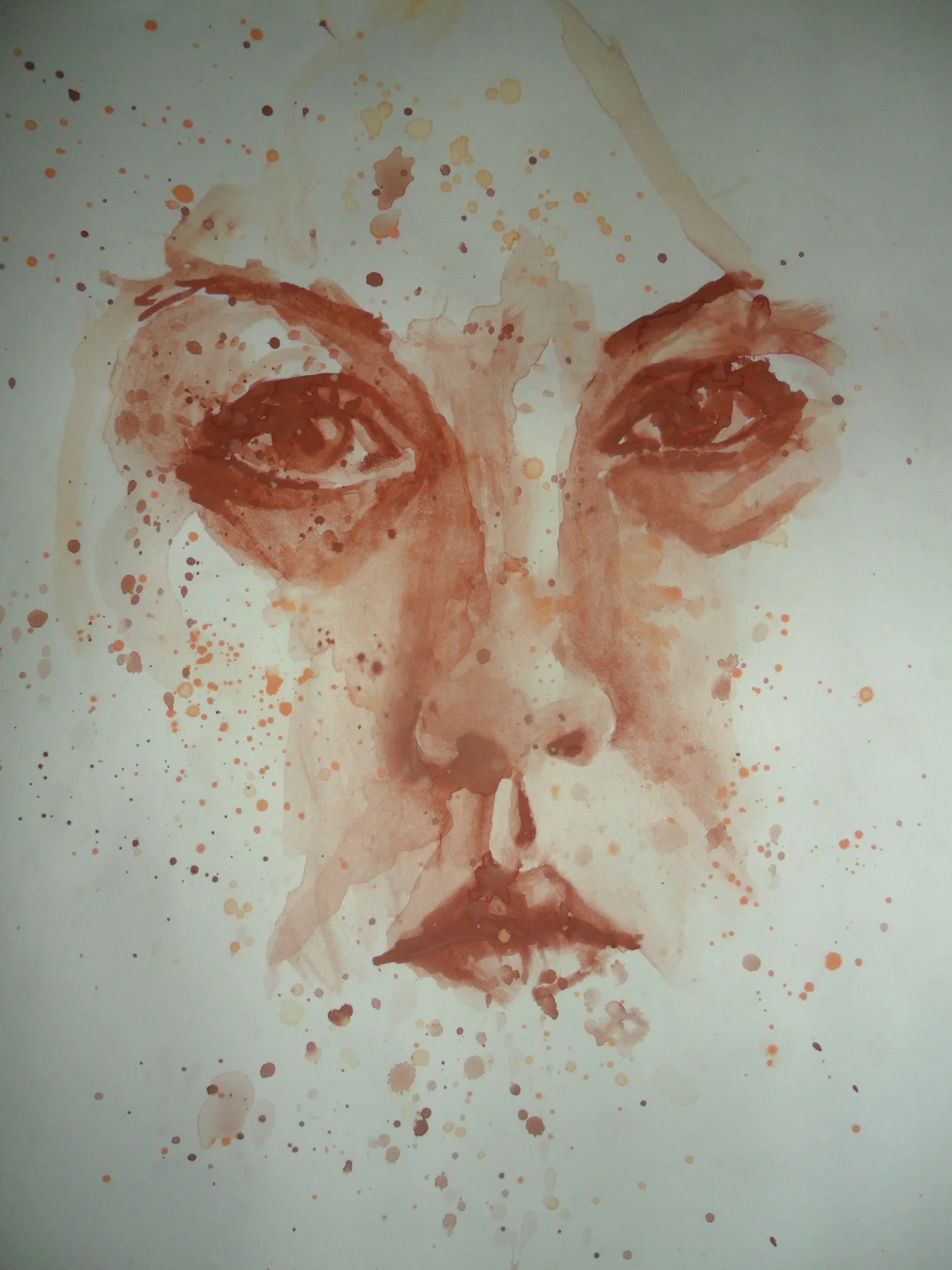
Self Portrait
Amber Macias
Watercolor
Follow me at http://tangeriinne.tumblr.com/






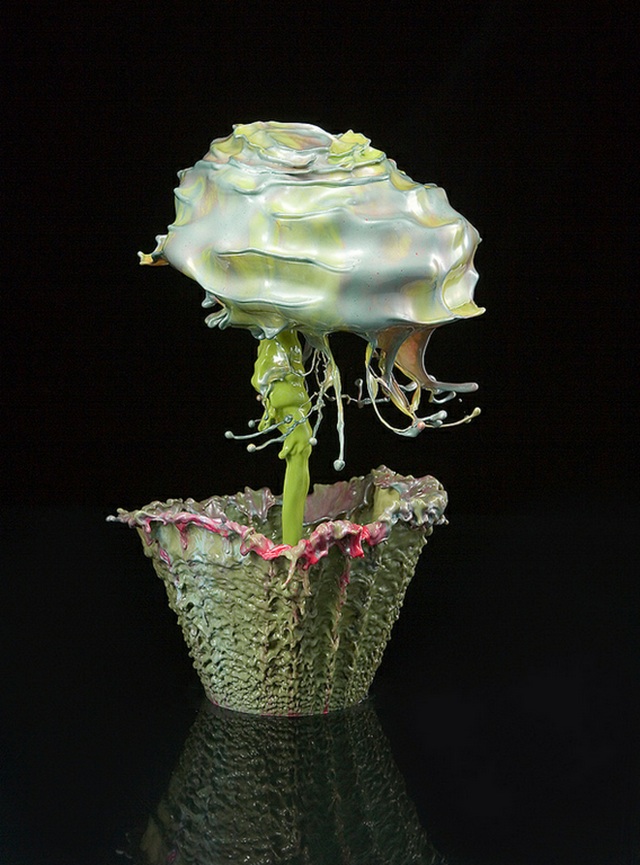
Using a combination of high speed photography and precise paint splashes, artist Jack Long creates liquid flowers, which are basically paint that has splashed in such a way and captured at the right moment that it looks like a flower.
Even more impressively, a lot of the pieces depict flowers in vases, rather than just the flower itself.
Source: http://www.showslow.tumblr.com
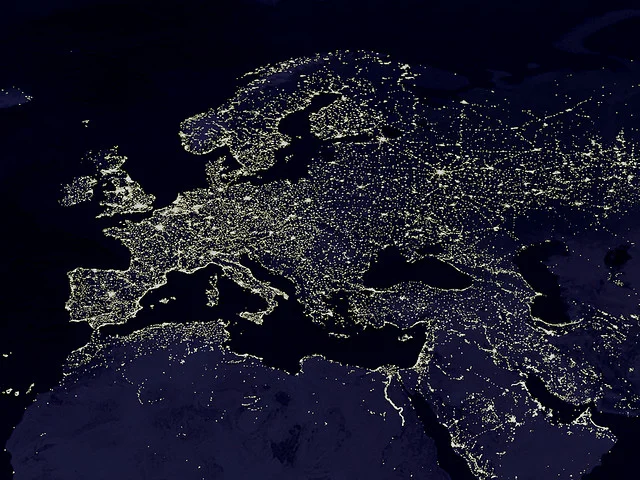
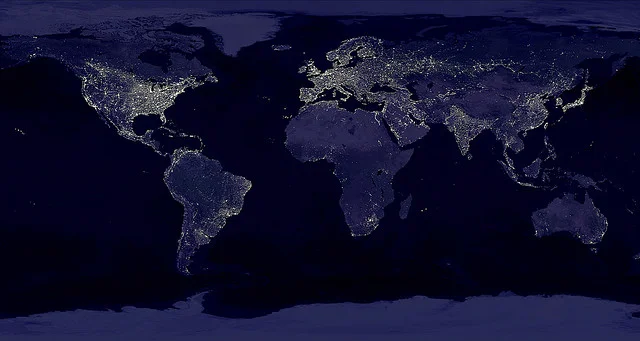
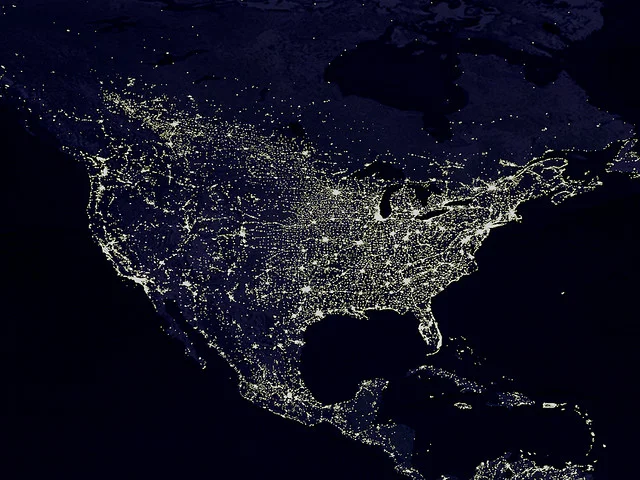
This remarkable image is actually a composite of hundreds of images created using satellite data collected at night.
The brightest areas of the Earth are the most urbanized, but not necessarily the most populated. (Compare western Europe with China and India.) Cities tend to grow along coastlines and transportation networks. Even without the underlying map, the outlines of many continents would still be visible. The United States interstate highway system appears as a lattice connecting the brighter dots of city centers. In Russia, the Trans-Siberian railroad is a thin line stretching from Moscow through the center of Asia to Vladivostok. The Nile River, from the Aswan Dam to the Mediterranean Sea, is another bright thread through an otherwise dark region.
Even more than 100 years after the invention of the electric light, some regions remain thinly populated and unlit. Antarctica is entirely dark. The interior jungles of Africa and South America are mostly dark, but lights are beginning to appear there. Deserts in Africa, Arabia, Australia, Mongolia, and the United States are poorly lit as well (except along the coast), along with the boreal forests of Canada and Russia, and the great mountains of the Himalaya.
This image of Earth’s city lights was created with data from the Defense Meteorological Satellite Program (DMSP) Operational Linescan System (OLS). Originally designed to view clouds by moonlight, the OLS is also used to map the locations of permanent lights on the Earth’s surface.
The Earth Observatory article Bright Lights, Big City describes how NASA scientists use city light data to map urbanization.
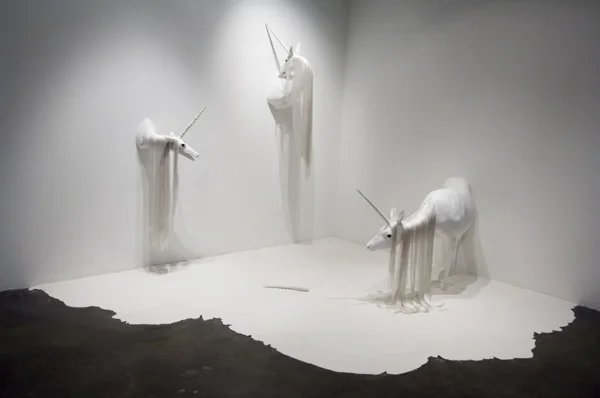
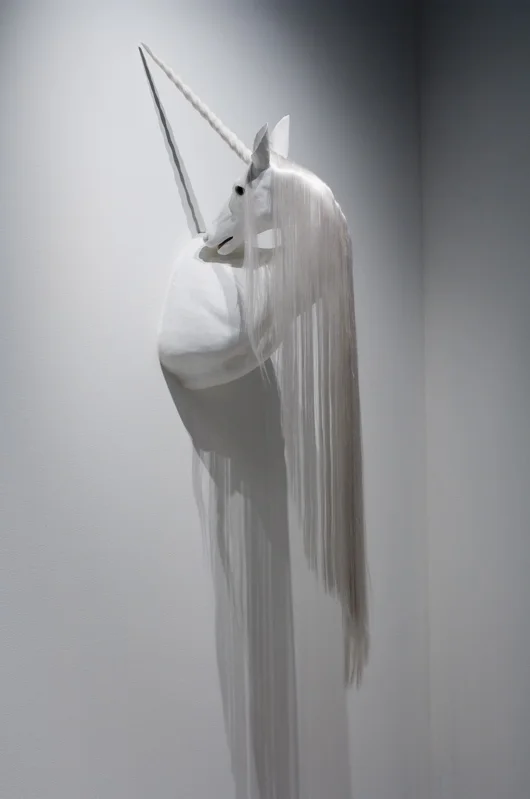
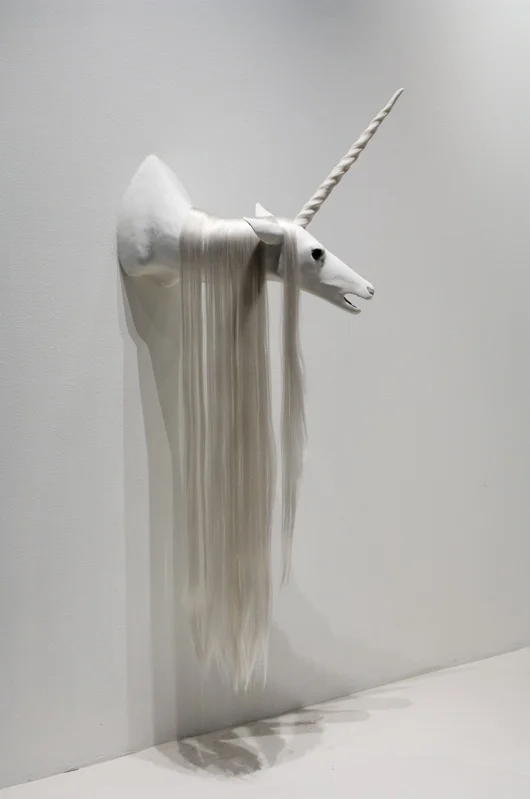
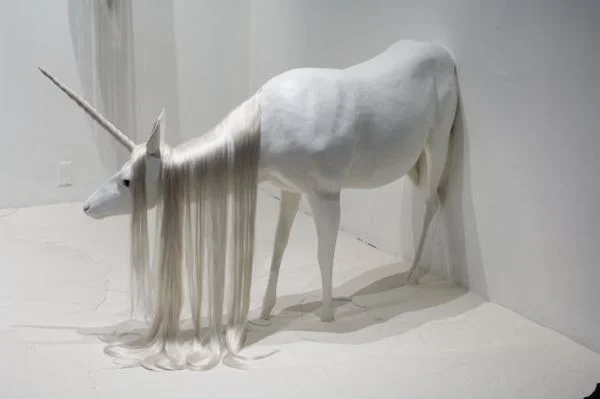


The drop in temperature to several degrees below zero in Jukkasjärvi, Sweden marks the start of an ephemeral art endeavour. Using frozen water from the Torne River, artists from all over the world visit this small village, 200km north of the Arctic Circle, to create an exclusive art exhibition - Ice Hotel. Each design is created with imagination and hard work, only to melt away under the unforgiving rays of the sun come springtime. All that remains are impressions, memories and photographs. View the artists (and more images) here.
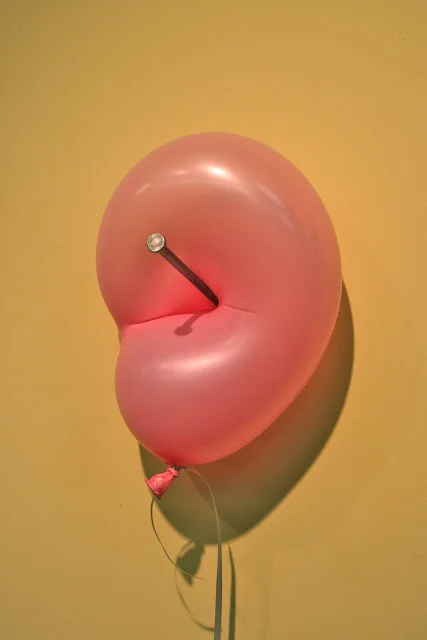
Matt Larson
oil painting
Source: http://larsonoilpaint.com/
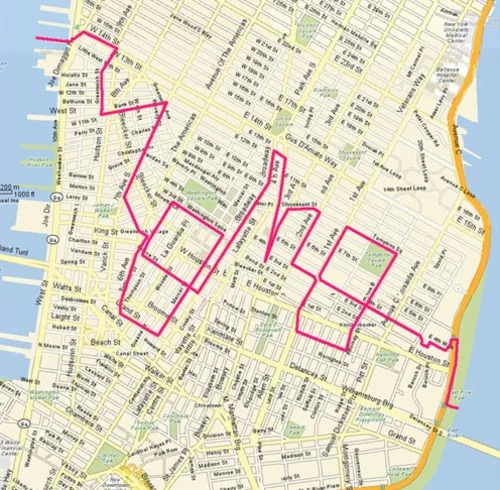
Have you ever walked around in Lower Manhattan and noticed a trail of paint on the sidewalk?
About 3 years ago, one of my friends in school decided to follow the trail around and noticed that the trail produced the image that you see above; a strange-looking rendering of what appeared to be the word “momo.” MOMO, we found out, was the name of an artist that used to be based in NYC, and sure enough, the one responsible for tagging his name across the width of Manhattan.
After requesting a meetup, MOMO told my friend that he accomplished this task by fixing 5 gallon paint buckets to the back of his bike, poking a hole in the bottom of the containers, and riding though the West Village, SoHo, Greenwich Village, East Village, and Alphabet City. Momo made the tag in 2006. Some parts of the line have been covered up by roadwork and redone sidewalks but most of the line is still visible.
To me, the interesting thing about the line is how both similar and different it is to regular graffiti. Essentially, most graffiti writers enjoy seeing their name on things. The bigger they can paint it and the more visible their tag is, the more people will notice their conquering of the city. MOMO created the largest tag in New York, yet the scale of his work here, so massive that it can’t all be viewed at once, means that thousands of people will walk on it each day and never even notice it. It’s simultaneously the biggest and smallest artistic statement I have seen in my time here.
MOMO made a video about the line which you can see here.
If you ever walk over it, now you’ll know what you’re looking at.